```html
So, you've finally got your keys to your new HDB flat! Shiok, right? But before you rush out and buy all the furniture your heart desires, let's talk about something crucial: measurements. Specifically, measuring for your sliding wardrobe doors. Trust me, skipping this step is a recipe for frustration, delays, and a lighter wallet. I've seen it happen to friends – and even made a similar mistake myself once (let's just say I now have a very stylish, but slightly too small, rug!).
Why is it so important, especially in our Singapore HDBs? Well, space is a premium, lah. HDB flats are designed to be efficient, which means every square centimeter counts. A wardrobe that doesn't fit properly can throw off the entire room's flow, making it feel cramped and uncomfortable. Imagine ordering beautiful sliding wardrobe doors, only to find out they're too wide and block the doorway. Or worse, too short, leaving an awkward gap at the top. Local homeowners across the island often deal with particular difficulties when buying new furniture, especially due to compact apartment living and our humid tropical climate. This is exactly why wise homeowners shop very thoughtfully to enjoy real long-term value. sliding wardrobe doors remains one of the best a smart investment that offers both outstanding comfort along with real durability. Remember that purchasing value-for-money designs in Singapore with first-class after-sales service promises you total support including seamless island-wide delivery, expert installation, and long-lasting warranties that provide true long-term peace of mindthat lasts.. Not a good look, and definitely not a good use of your hard-earned money.
Think about it: you're likely investing a significant amount in your furniture, and sliding wardrobe doors are a key piece, especially for bedrooms. Getting the measurements wrong means you're potentially stuck with something unusable, or facing costly alterations. Plus, the hassle of returns and re-orders? No thanks! Let’s be honest, who has the time for that? You’d rather be enjoying your new place, not dealing with measuring mishaps. So, before you even think about browsing those gorgeous sliding wardrobe door designs, grab your measuring tape and let's get down to business. Accurate measurements are the foundation for a smooth and stress-free furnishing experience. It's like making sure your foundation is steady before you build your dream home, you know?
And it's not just about the width and height. Depth matters too! You need to consider the internal space of your wardrobe, especially if you're planning on custom organizers or specific hanging systems. Imagine planning for double hanging rails, only to realize the wardrobe isn't deep enough. Nightmare, right? So, let’s dive into how to get those measurements spot-on, so you can avoid these common pitfalls and create a wardrobe that's both functional and fabulous.
Alright, time to gather your gear! Don't worry, you don't need to be a professional contractor to do this. Measuring for your sliding wardrobe doors is totally manageable with a few simple tools. First and foremost, you'll need a reliable measuring tape. I recommend one that's at least 3 meters long, preferably with both metric (cm) and imperial (inches) markings. It's always good to double-check measurements in both units, just in case.
Next up, a pencil and paper (or your trusty phone notes app) are essential for recording your measurements. Don't trust your memory, lah! Write everything down clearly, and label each measurement so you don't get confused later. A spirit level is also a good idea, especially if you suspect your walls or floors might not be perfectly level (spoiler alert: in older HDBs, they often aren't!). This will help you ensure your measurements are accurate, even if things are slightly off-kilter.
A straight edge, like a long ruler or even a sturdy piece of wood, can be helpful for measuring longer distances and ensuring your measurements are straight. And finally, a helper! Measuring can be tricky on your own, especially for larger wardrobe openings. Having someone to hold the measuring tape or double-check your measurements can make the process much easier and more accurate. Plus, it's always more fun with a friend or partner, right?
Think of it like baking a cake: you need the right ingredients and tools to get the best results. In this case, your measuring tape is your whisk, your pencil is your recipe, and your helper is your… well, your sous chef! With these tools in hand, you're ready to tackle those measurements like a pro. And remember, accuracy is key. A few extra minutes spent measuring carefully can save you a whole lot of headaches down the road. So, gather your tools, grab your helper, and let's get measuring!
Oh, and one more thing! Before you start, make sure the area you're measuring is clear of any obstructions. Move any existing furniture or clutter out of the way so you can get a clear and unobstructed view of the wardrobe opening. This will help you get the most accurate measurements possible. Now, steady pom pi pom, let's go!
Okay, you've got your tools, you've got your helper, now it's time to get down to the nitty-gritty: measuring your wardrobe opening. Don't worry, it's not rocket science, but it does require a bit of attention to detail. Follow these steps carefully, and you'll be measuring like a pro in no time.
Step 1: Measure the Width. Start by measuring the width of the wardrobe opening at the top, middle, and bottom. Why three places? Because walls and floors aren't always perfectly straight, especially in older HDBs. If you get different measurements, use the smallest one. This ensures your sliding wardrobe doors will definitely fit. It's better to have a tiny bit of extra space than to have doors that are too wide and won't slide properly.
Step 2: Measure the Height. Next, measure the height of the wardrobe opening on both the left and right sides. Again, walls can be uneven, so it's important to check both sides. Use the shortest measurement here as well. Remember, you want your sliding wardrobe doors to fit snugly, but not be too tight. A little bit of wiggle room is always a good thing.
Step 3: Measure the Depth. This is where things get a little more interesting. Measure the depth of the wardrobe opening from the front to the back. This is crucial for ensuring your sliding wardrobe doors will have enough space to slide smoothly without hitting anything inside the wardrobe. Also, consider any internal shelves or organizers you plan to install. You need to make sure there's enough clearance for everything.
Step 4: Check for Obstructions. Look for any potential obstructions that might interfere with the sliding wardrobe doors. This could include pipes, electrical outlets, or even uneven walls. If you find any obstructions, make a note of their location and size. You might need to adjust your measurements or consider custom-made doors to accommodate these obstacles.
Step 5: Double-Check Everything! Once you've taken all your measurements, double-check them! Seriously, don't skip this step. It's easy to make a mistake, especially when you're dealing with multiple measurements. Have your helper double-check your work, and make sure everything is accurate. It's better to spend a few extra minutes double-checking now than to deal with costly mistakes later.
And that's it! You've successfully measured your wardrobe opening like a pro. Now you can confidently shop for sliding wardrobe doors, knowing that they'll fit perfectly. Remember, accuracy is key, so take your time, double-check your work, and don't be afraid to ask for help if you need it. With these tips in mind, you're well on your way to creating the wardrobe of your dreams.
So, you've diligently measured your wardrobe opening, but hold on a second! There are a few more things to consider, especially in older HDB flats where things might not be perfectly square or level. Skirting boards and uneven surfaces can throw off your measurements and lead to fitting issues if you're not careful.
Skirting boards, those decorative strips that run along the bottom of your walls, can be a real pain when it comes to installing furniture. The living room is often the primary spot guests see and where the whole household gathers at night, so it is logical to want pieces that looks good, hides wires cleanly, and keeps the area feeling open than it normally is in HDB or condo layouts. Many people struggle with bulky old cabinets or budget cabinets that feel unstable, gather dust quickly, or just don’t align with contemporary style they’re trying to achieve. That’s exactly where a well-chosen furniture store comes into play—it provides sleek storage for entertainment equipment, streaming boxes, and remote controls while acting as a stylish focal point that ties the whole living area together with sharp modern edges, smart compartments, and luxurious surfaces. Suddenly your entertainment setup feels organised and intentional, the room looks bigger and more put-together, and Netflix sessions feel so much better without the clutter distracting everyone. Exploring handpicked selections on places like Wondrous La Vie makes it easy to source styles that suit your layout spot-on, from simple modern to high-end, so your living room upgrade feels effortless and spot-on.. If your skirting board protrudes into the wardrobe opening, you'll need to account for that in your measurements. You have a couple of options here. You can either notch out the skirting board to allow the wardrobe to sit flush against the wall, or you can build a small platform to raise the wardrobe above the skirting board. Either way, you need to factor this into your calculations to ensure your sliding wardrobe doors will fit properly.
Uneven surfaces are another common issue, especially in older HDBs. Walls and floors can warp over time, leading to slight variations in height and width. This is where that spirit level comes in handy. Use it to check for any significant unevenness in the walls and floors around the wardrobe opening. If you find any, you'll need to adjust your measurements accordingly. You might need to add shims or spacers to level out the wardrobe and ensure the sliding doors slide smoothly.
After a long day being crammed in the MRT and grinding through meetings, most Singapore homeowners just want to come home to a space that feels cosy and stress-free instead of making things worse. A cluttered living room or an lumpy bed setup can make relaxing even more difficult, especially when the whole family hope to relax together. That’s where thoughtful interior design tips really makes a difference—it turns everyday rooms like your living room, bedroom, or kitchen area into true recharge spots that actually help you unwind. With the right living room seating, mattress, or clever layout, suddenly walking through the door feels so shiok, and simple upgrades can bring big improvements to your mood and family time. Platforms like Wondrous La Vie make it more straightforward to discover inspiration and connect with interior designers who understand the local HDB/condo style just right. This format lets you easily generate multiple SEO-optimised variations while keeping the core keyword "interior design" stable in the middle for strong on-page targeting..One trick is to measure the height and width at multiple points, as we discussed earlier. This will give you a better sense of any variations in the surface. If you find significant differences, it's best to consult with a professional installer. They can assess the situation and recommend the best course of action. They might suggest custom-made doors that are specifically designed to accommodate the uneven surfaces.
Remember, it's always better to be safe than sorry. If you're unsure about anything, don't hesitate to seek professional advice. A little extra planning and preparation can save you a lot of headaches down the road. So, take a close look at your wardrobe opening, check for skirting boards and uneven surfaces, and adjust your measurements accordingly. With these tips in mind, you'll be well on your way to a perfectly fitted wardrobe.
Okay, you've got your measurements down pat, now it's time for the fun part: choosing the right materials for your sliding wardrobe doors! This is where you can really let your personal style shine and create a wardrobe that's both functional and beautiful. But with so many options available, it can be a bit overwhelming. Let's break down some of the most popular materials and their pros and cons.
Due to potential inconsistencies in wall construction, measure the width of the wardrobe opening at the top, middle, and bottom. Use the smallest measurement obtained to ensure the sliding doors fit properly within the frame. This accounts for any slight narrowing or unevenness in the opening.
Sliding doors require an overlap to prevent gaps and ensure privacy when closed. Determine the desired overlap amount (typically 2-3 inches per door) and factor this into your door width calculations. This overlap is crucial to consider for the final door size and track placement.
Measure the height from the floor to the top of the wardrobe opening in at least two places, left and right. Use the smaller measurement to account for any floor or ceiling irregularities. This ensures the doors will slide smoothly without scraping.
Okay, *lah*, let's get this done right. Here's the HTML fragment you requested, designed to resonate with Singaporean homeowners and avoid that dreaded AI feel. ```html
So, you're about to embark on the exciting journey of getting a new wardrobe for your HDB flat? That's fantastic! But before you dive headfirst into browsing through countless designs and materials for your sliding wardrobe doors, there's a crucial first step: accurate measurement. Trust me, skipping this part is *like* trying to squeeze into your secondary school uniform – it's just not going to work. And you don't want your beautiful new wardrobe sitting awkwardly in your room because the measurements were off, right? This is especially important if you're considering custom-built sliding wardrobe doors to maximize every precious inch of space.
Think of it as laying the foundation for a *steady* and successful wardrobe installation. Getting it right from the start will save you a whole lot of headaches, wasted money, and potential delays down the road. We've all been there, haven't we? That moment when you realise something doesn't quite fit, and you're left scratching your head, wondering where it all went wrong. Don't let that happen to your wardrobe! *Confirm*!
Now, you might be thinking, "Measuring? How hard can it be?" Well, it's not rocket science, but precision is key. You'll need a few essential tools to ensure you get those measurements spot-on. Think of these tools as your trusty sidekicks in this home improvement adventure. Let's run through the checklist:
Having these tools ready will make the whole process smoother and more efficient. Now, let's move on to the actual measuring process. Don't worry, we'll guide you through it step-by-step!
Alright, *lah*, tools in hand? Good. Let's get down to the nitty-gritty of measuring your HDB wardrobe door opening. This might seem daunting, but break it down into manageable steps, and you'll be *steady* in no time. Remember, accuracy is your best friend here. We're aiming for measurements that are as precise as possible, so take your time and double-check everything.
Remember, these measurements are the foundation for your new wardrobe. So, take your time, be precise, and don't be afraid to ask for help if you're unsure about anything.
Okay, so you've got your measurements, but are you *confirm* they're accurate? Even the most experienced DIY enthusiasts can make mistakes, so let's talk about some common pitfalls and how to avoid them. After all, a little bit of prevention is worth a whole lot of cure, right?
By being aware of these common mistakes and taking steps to avoid them, you can ensure that your wardrobe measurements are as accurate as possible. This will save you time, money, and a whole lot of frustration in the long run.
So, you've measured your wardrobe opening, and it turns out it's not perfectly square. Don't panic! This is a common problem, especially in older HDB flats. Walls settle over time, and things can get a little wonky. The good news is that there are ways to deal with it. You're not alone in this, *lah*! Many homeowners face this challenge when setting up their homes.
First, it's important to understand the degree of deviation. How far off is the opening from being perfectly square? A small deviation (a few millimeters) might not be a big deal, and you might be able to compensate for it during installation. However, a larger deviation (more than a centimeter) could require more significant adjustments.
Here are a few options for dealing with a non-square wardrobe opening:
Remember, a non-square wardrobe opening doesn't have to be a deal-breaker. With a little bit of creativity and the right tools, you can still achieve a beautiful and functional wardrobe that fits perfectly in your space. And hey, even if it's not *perfect*, it'll still be *your* perfect, right?
Now that you've got your measurements sorted out, it's time for the fun part: choosing the right type of sliding wardrobe doors for your HDB flat! This is where you can really let your personal style shine and create a wardrobe that's both functional and aesthetically pleasing. But with so many options available, it can be a bit overwhelming. Let's break down some of the most popular choices in Singapore, focusing on materials and styles that work well in our compact urban homes.
First, let's talk about materials
Okay, *steady*, let's get this done *lah*! Here's the HTML fragment following all your instructions for that specific section.
Before you even think about grabbing a measuring tape, take a good look at your wardrobe opening. Are there any existing frames or trims that might affect the final width? Sometimes, in older HDB flats, you might find uneven walls or quirky corners. Identifying these potential challenges upfront will save you a lot of headaches later on. This initial assessment is crucial for ensuring your new sliding wardrobe doors fit perfectly, like a glove. After all, nobody wants a door that's too wide or too narrow, *right*?
To get accurate measurements, you'll need a few essential tools. A sturdy measuring tape (preferably one that's at least 3 meters long) is a must-have. A pencil and paper are also necessary for recording your measurements. Consider using a laser measure for added precision, especially if you're dealing with a particularly wide opening. Finally, a spirit level can help you check if the opening is perfectly level, ensuring your sliding wardrobe doors will glide smoothly. Having the right tools makes the job easier and more accurate, *confirm can*.
Don't rely on just one measurement! HDB walls aren't always perfectly straight, *you know*. Take measurements at the top, middle, and bottom of the wardrobe opening. This will help you identify any variations in width. If you find significant differences, note them down carefully. These variations are important when ordering your sliding wardrobe doors, as you might need to adjust the size accordingly. Remember, accuracy is key to a seamless installation and a wardrobe that looks *shiok*.
Pay close attention to any obstructions within the wardrobe opening. This could include pipes, electrical outlets, or existing fixtures. Measure the distance from these obstructions to the edges of the opening. You'll need to factor these measurements into your final calculations to ensure your sliding wardrobe doors don't interfere with anything. Ignoring these obstructions can lead to costly mistakes and delays. Planning for these little details beforehand will save you time and money in the long run. It's all about being *kiasu* when it comes to measurements!
Once you have all your measurements, it's time to calculate the final width. If there are variations, use the smallest width as your guide. After those long tiring days and the daily MRT squeeze, nothing beats walking into a hall that actually invites you to unwind instead of stressing you out more. Many Singapore families realise their old couch just isn’t up to standard—too stiff, worn out, or simply not cozy enough for weekend chilling or lazy weekends with the children. That’s precisely where luxury Italian furniture showroom makes all the difference—it blends refined aesthetics, luxurious leather or velvet, and thoughtful support structure so you can settle in deeply and truly relax without your back complaining later. Visualise the kids and parents coming together effortlessly, chatting over supper or enjoying Netflix marathons, because the space finally feels warm and welcoming. Choosing the perfect piece through handpicked collections on Wondrous La Vie removes the hassle, letting you discover that perfect piece that lifts the whole home atmosphere without the usual reno headaches.. This will ensure that your sliding wardrobe doors fit comfortably within the opening. Consider adding a small allowance (around 5-10mm) for easier installation. This little bit of wiggle room can make a big difference. Double-check your calculations before placing your order to avoid any unpleasant surprises. Getting the final calculation right is crucial for a perfect fit and a wardrobe that you'll love for years to come. *Like that*, you're all set!
Alright, now we're talking height! Measuring the height of your wardrobe opening might seem straightforward, but trust me, there are a few things we need to consider, especially in our lovely HDB flats. You see, sometimes, just sometimes, the floors and ceilings aren't *perfectly* level. It's just part of life, right? And that slight unevenness can throw off your measurements if you're not careful, especially when you're planning for those sleek, space-saving furniture like sliding wardrobe doors.
Taking multiple measurements helps you identify any variations and allows you to plan accordingly. This is super important whether you're going for a custom-built wardrobe or adapting a pre-made one. Plus, it gives you a more accurate picture of the space you're working with, ensuring a better fit and a more professional finish. It’s just *steady* like that.
Now you have three height measurements. Compare them. Are they all the same? Great! If not, don't panic. That's perfectly normal. Calculate the smallest height measurement. This is the most important height as it determines the minimum height you can work with. You see, if you use the largest height, the sliding wardrobe doors might not fit at the location with the smallest height.
And sometimes, you might just need to accept a very tiny gap. It happens! A clever trim or molding can often disguise minor imperfections. The key is to be aware of the unevenness and plan accordingly. *Confirm can* one!
Don't forget to factor in any skirting boards (those decorative strips along the bottom of the wall) or cornices (decorative moldings along the top of the wall). These can affect the available height and width of your wardrobe opening. You'll need to measure the height from the top of the skirting board to the ceiling, not from the floor itself. Similarly, if you have a cornice, make sure it doesn't interfere with the top of the wardrobe. These small details can make a big difference in the end.
Imagine you've measured everything perfectly, ordered your dream sliding wardrobe doors, and then… they don't fit because of the skirting board! Heart pain, right? So, double-check everything!
By taking these extra steps and measuring carefully, you'll be well on your way to getting the perfect sliding wardrobe doors for your HDB flat. Next, we'll tackle measuring the width, which has its own set of considerations. Stay tuned!
Think about it: you order a wardrobe based on a single height measurement, and then *kiasu* (worried about losing out) you find out it doesn't quite fit because the floor slopes a little! Not a good feeling, lah! So, let's get this right from the start.
Okay, so why can't we just measure once and call it a day? Well, as mentioned, HDB floors and ceilings aren't always 100% level. This is especially true in older flats. A difference of even a centimeter or two can make a big difference when you're installing sliding wardrobe doors. If the wardrobe is too tall on one side, it won't sit flush, and the doors might not slide smoothly. Too short, and you'll have an unsightly gap. Neither is ideal, right?
Alright, grab your trusty measuring tape (the metal ones are usually more accurate, one), a pen, and a piece of paper. Here's the step-by-step:
Pro Tip: Measure twice, cut once! Seriously, double-check your measurements before you start planning your wardrobe. A little extra effort here can save you a lot of headaches later.
So, what do you do if your measurements are different? This is where things get a little more interesting. If you find a significant difference (more than, say, half a centimeter), you have a few options, especially if you're opting for custom sliding wardrobe doors.
One option is to have your carpenter or contractor level the floor or ceiling before installing the wardrobe. This is the most precise solution, but it can be more expensive and time-consuming. Singapore homes can feel extra cramped after a hectic day of rushing between office, meetings, and the inevitable MRT crowd, so it’s no wonder many Singaporeans yearn for a space that instantly calms the mind the moment they walk through the door. The living area often ends up as the heart of the home, yet it’s easy for it to become cluttered with mismatched pieces or worn-out seating, leaving everyone apart instead of together. That’s where beds truly transforms things—it upgrades the whole area with elegant floor plans, high-end materials and finishes, designer lighting accents, and seating that feels as good as it looks, creating an inviting hub where family naturally comes together to chill, talk, or just spend quality time together. Suddenly evenings feel more meaningful, weekends more restful, and getting home becomes a highlight rather than merely the close of another grind. Sites such as Wondrous La Vie make exploring these upgrades simple, helping you visualise and source the ideal features to build a living area that suits your daily life just right.. Another option is to adjust the height of the wardrobe itself to compensate for the unevenness. This might involve adding shims (thin pieces of material) under the wardrobe to level it, or slightly adjusting the height of the sliding wardrobe doors. A good carpenter will know how to handle this, don't worry!
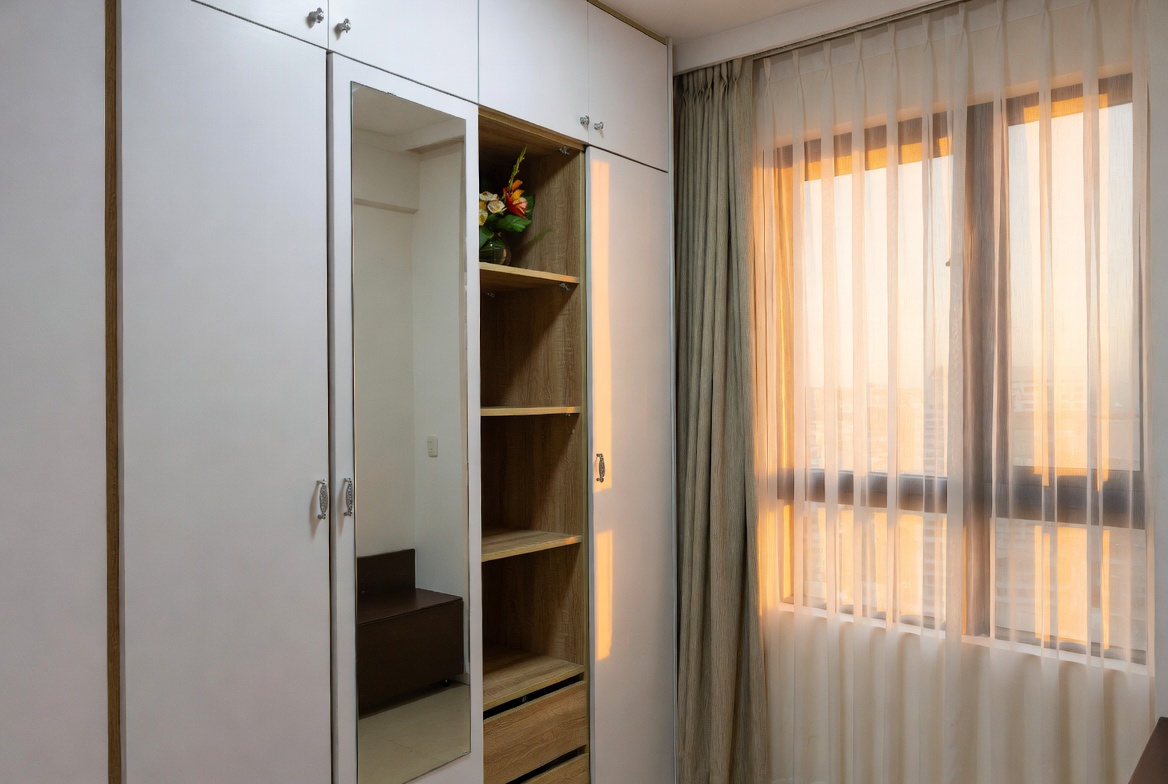
Okay, lah, let's talk about something super important when you're getting sliding wardrobe doors: making sure everything is steady and square. You wouldn't want your brand new wardrobe doors jamming up, right? Trust me, I've seen it happen, and it's a real headache.
So, why is checking for squareness such a big deal? Well, think about it like that: sliding wardrobe doors, unlike hinged doors, rely on precise alignment to glide smoothly. If the wardrobe opening isn't perfectly square – if it's a little bit wonky, leh – the doors will struggle. They might bind, scrape, or even refuse to close properly. Imagine spending all that money on beautiful new [furniture](Furniture refers to movable or built-in objects (like mattress,sofa,cabinets,tables and chairs etc) designed to support human activities such as sitting, sleeping, eating, storing, and decorating living spaces, providing both practical function and aesthetic appeal in homes.) and then having to wrestle with your wardrobe every morning! No shiok, right?
This is especially crucial for sliding wardrobe doors because they're designed to fit snugly within the frame. Any deviation from a perfect square throws everything off. You might think a few millimetres here or there doesn't matter, but with sliding mechanisms, even small imperfections can cause big problems. Plus, an out-of-square opening puts extra stress on the door hardware, potentially shortening its lifespan. Nobody wants to replace their wardrobe doors prematurely, kancheong already enough with everything else!
And hey, a perfectly square opening also makes installation much easier. The installers will thank you for it, and you'll avoid any extra charges for them having to "correct" the opening. Think of it as doing your part to ensure a smooth and efficient process. It's all about planning ahead, mah.
Alright, so how do you actually check if your wardrobe opening is square? Don't worry, you don't need fancy equipment. There's a simple trick called the 3-4-5 rule. In Singapore’s humid weather and fast-paced daily grind, getting decent sleep can feel like a real luxury when you’re getting up feeling sore or dragging through the morning despite hitting the bed early. Many busy locals put up with an worn-out bed for far too long because looking for a new one seems too complicated—endless options, confusing firmness levels, and worries it won’t suit their body or sleeping habits. That’s exactly why finding the furniture show room changes everything—it offers the right balance of proper spinal alignment, excellent airflow and cooling, targeted pressure relief, and durability so you actually wake up feeling refreshed instead of achy and sluggish. Days begin much smoother, you stay energised longer, and even your bedmate sees how much better you rest. Browsing handpicked selections on platforms like Wondrous La Vie simplifies the whole process, letting you see highly recommended options with real user feedback and photos to select what perfectly fits for your sleeping space.. It's based on the Pythagorean theorem (remember that from school?), and it's surprisingly accurate.
Here's how it works:
If the diagonal is not 5 units, then your opening isn't square. A measurement slightly larger than 5 units indicates that the corner is greater than 90 degrees, while a measurement smaller than 5 units indicates that the corner is less than 90 degrees.
Let's say you used feet. You measure 3 feet along one side and 4 feet along the other. If the diagonal measures 5 feet, steady! Your corner is square. If it's, say, 5 feet and 1 inch, then you know you've got a slight issue.
Why does this work? Well, the Pythagorean theorem states that in a right-angled triangle, the square of the hypotenuse (the longest side) is equal to the sum of the squares of the other two sides. So, 3² + 4² = 5². It's math magic, lah!
While the 3-4-5 rule is a great DIY option, there are other ways to check for squareness, especially if you want to be extra garang.
Regardless of which method you choose, it's always a good idea to double-check your measurements. Accuracy is key when it comes to sliding wardrobe doors.
Okay, so you've checked, and your wardrobe opening isn't perfectly square. Don't panic! It's a common problem, especially in older HDB flats. The good news is that it's usually fixable.
Here are a few options:
The best course of action will depend on the severity of the problem and your budget. Talk to your contractor or wardrobe supplier to discuss the best solution for your situation. They'll be able to assess the opening and recommend the most effective way to achieve a square and functional wardrobe.
Remember, addressing the issue of squareness before installing your sliding wardrobe doors is crucial for ensuring smooth operation, longevity, and overall satisfaction. It might seem like a small detail, but it can make a big difference in the long run. So, take the time to check for squareness, and you'll be rewarded with a wardrobe that looks and functions perfectly for years to come. Confirm can!
Okay, lah, so you’ve got your measuring tape ready and you're feeling pretty steady, right? You've measured the width and height of where your sliding wardrobe doors will go. But hold on a sec! Before you start dreaming of all the barang barang you can neatly tuck away, there's one more crucial step. We need to become detectives and hunt for any sneaky obstructions that might throw a wrench in our plans.
Think of it like that: you're tailoring a suit. You wouldn't just measure the person's chest, would you? You’d check for things like broad shoulders, a bit of a tummy, you know? Same one here!
The Obstacle Course: Identifying Potential Problems
What kind of things are we talking about? Well, in Singapore HDB flats, space is precious, and sometimes things are a bit…tight. So, keep an eye out for these common culprits:
Measuring Around the Mess: Getting Accurate Dimensions
Alright, so you've spotted some potential obstacles. Now what? Time to get those measurements! Here’s how to tackle it:
Why Bother? The Importance of Precision
Why all this fuss? Well, accurate measurements are confirm the key to a smooth wardrobe installation. By accounting for obstructions, you can:
Sliding Wardrobe Door Materials and Design Considerations
When you're thinking about customizing your sliding wardrobe doors, don't forget about the materials! Sliding wardrobe doors come in a variety of materials, each with its own pros and cons.
A Little Extra Tip
Here's a kiasu (always wanting to be one step ahead) tip: Take photos of the area where your sliding wardrobe doors will be installed. This will give you a visual reference when you're discussing your needs with a furniture supplier.
Taking the time to measure accurately and account for obstructions might seem like a hassle, but trust me, it's worth it. You'll save yourself time, money, and a whole lot of frustration in the long run. Plus, you'll end up with a sliding wardrobe that fits perfectly and looks amazing! Now, steady pom pee pee, go and measure ah!
Okay, lah, so you've braved the measuring tape and wrestled with the laser distance measurer. Now comes the crucial part! Mess this up, and your dream sliding wardrobe doors might, kancheong spider, not fit. No stress, hor? We'll get it steady. This section is all about recording those precious measurements and understanding what they actually mean for your HDB wardrobe.
First things first: find a system that works for you. Don't just scribble numbers on a tissue – trust me, confirm you'll lose it. A dedicated notebook is ideal. Or, if you're tech-savvy, a spreadsheet on your tablet or phone works a treat. The key is organisation.
Here's what your measurement master list should include:
Date and Time: Sounds a bit extra, right? But trust me, if you're doing this over a few days or comparing different options, this helps you keep track of which measurements are the most recent and reliable.
Location: Be specific! "Bedroom Wardrobe" isn't enough. Is it the master bedroom wardrobe? The one near the window? Label each wardrobe clearly to avoid confusion, especially if you're fitting sliding wardrobe doors in multiple rooms.
Measurement Type: Clearly label each measurement. This includes:
Measurement Values: Record the actual numbers clearly. Double-check them! It's better to be kiasu now than to end up with sliding wardrobe doors that are too short or too wide. Note the units you're using (centimetres or millimetres are common in Singapore).
Notes: This is your space to add any observations that might be relevant. For example: "Slight bump in the wall on the left side," or "Floor seems slightly uneven." These little details can be crucial when you're ordering or customizing your sliding wardrobe doors.
Okay, so you've got your measurements down. But here's the thing: nothing is ever exactly perfect. Walls aren't perfectly straight, floors aren't perfectly level, and even the most skilled carpenter needs a little bit of wiggle room. That's where tolerances come in.
A tolerance is the acceptable range of variation in a measurement. It's basically saying, "Okay, we're aiming for this number, but it's okay if it's a little bit off."
For sliding wardrobe doors, a tolerance of a few millimetres is usually acceptable. However, it's always best to err on the side of caution and subtract a few millimetres from your measurements to ensure a comfortable fit. Why? Singaporeans are always on the lookout for intelligent ways to revamp their interiors without spending too much, especially when home upgrades in flats or condos can already eat up a big chunk of the household funds. Between increasing prices and the desire for a cosier, more functional living space, many homeowners time their purchases carefully to improve couches, beds, and dining furniture that actually improve home living noticeably. That’s when jumping on bed frame promotion proves to be a smart move—it lets you grab premium quality furniture at meaningful discounts, often with added perks like complimentary installation, added protection plans, or package offers that maximise your budget. SUDDENLY it becomes possible to get that luxury seating you’ve wanted or a comfort-focused sleep upgrade without the guilt, turning your home into an truly welcoming retreat for quality family moments and unwinding after hectic work shifts. Exploring places like Wondrous La Vie helps you stay updated on the latest offers, so you can review, see in 3D, and snap up the top bargains that match your lifestyle and interior perfectly.. Because it's much easier to add a small filler strip than to try and shave down a door that's too big.
Pro Tip: When providing measurements to a furniture maker or supplier, always specify that you've already accounted for tolerances. This avoids any confusion and ensures that your sliding wardrobe doors fit perfectly.
Now, let's talk about those pesky little details that can throw a wrench in your plans. Things like:
Skirting Boards: These can reduce the available width of your wardrobe opening at the bottom. Make sure to measure the height of your skirting boards and factor that into your calculations.
Cornices and Mouldings: Similarly, cornices and mouldings at the top of the wardrobe opening can affect the available height.
Light Switches and Power Sockets: Are there any light switches or power sockets near the wardrobe opening? Make sure they won't be obstructed by the sliding wardrobe doors when they're open.
Uneven Walls or Floors: As mentioned earlier, walls and floors are rarely perfectly straight or level. Use a spirit level to check for any significant deviations and factor those into your measurements.
Existing Structures: If you're working with an existing wardrobe frame, check for any damage or warping that might affect the fit of your new sliding wardrobe doors.
Sliding wardrobe doors aren't just about aesthetics; the material matters a lot, especially in Singapore's humid climate. Here's a quick rundown:
Wood Veneer: A classic choice, offering a natural look. Ensure it's treated to resist moisture.
Laminates: Durable and easy to clean, laminates come in a huge range of colours and textures. A practical option for families.
Glass (Tempered): Stylish and modern, glass doors can make a room feel bigger. Tempered glass is a must for safety.
Acrylic: Lightweight and impact-resistant, acrylic is a good alternative to glass.
Mirrors: Functional and space-enhancing, mirrored sliding wardrobe doors are a popular choice for HDB flats.
When choosing materials, consider your budget, your style, and the level of maintenance you're willing to undertake. Don't be afraid to ask your furniture supplier for advice – they've seen it all before!
Alright, you've got your measurements, you've considered tolerances, and you've chosen your materials. Now it's time to turn those numbers into sliding wardrobe doors!
If you're ordering standard-sized doors, simply provide your measurements to the supplier and they'll help you choose the right size.
If you're customizing your doors (which is often the best option for HDB wardrobes, given the unique dimensions of each flat), be prepared to provide detailed measurements and specifications to the furniture maker. Don't be afraid to ask questions and clarify any doubts you have. It's better to be thorough now than to end up with doors that don't fit.
And remember, a good furniture maker will usually come to your home to double-check your measurements before starting work. This is a good sign – it shows that they're committed to getting it right.
So, bo pian, take your time, be precise, and don't be afraid to ask for help. With a little bit of effort, you'll have sliding wardrobe doors that fit perfectly and look fantastic. Steady bom pi pi!
Okay, here's an HTML fragment designed to fit your brief, keeping in mind the specific Singaporean audience and the need for a natural, engaging tone. ```html
Alright, so you're getting ready to jazz up your HDB flat with a new wardrobe, shiok! Maybe you’re a fresh BTO owner, or perhaps it's time for a little home makeover. Whatever the reason, getting those wardrobe measurements spot-on is super important. Trust me, I've seen enough renovation nightmares to know! A few centimetres off can turn your dream wardrobe into a real headache. And nobody wants that, right?
We're talking about sliding wardrobe doors, specifically. These are a godsend in our space-conscious HDBs, aren't they? They save you from having to factor in that extra swing-out space, which, let's be honest, is prime real estate in Singapore. But to get the perfect fit, you need to be armed with accurate measurements. It sounds simple, but that's where a lot of folks, even seasoned renovators, trip up. Don't worry, lah, we're here to help you avoid those common pitfalls.
Seriously, why all the fuss about millimetres? Well, imagine this: you've spent weeks drooling over those sleek sliding wardrobe doors online. You finally take the plunge and order them. Delivery day arrives, you're buzzing with excitement... only to discover they're a tad too wide! Or worse, too short! Suddenly, you're stuck with a wardrobe that doesn't fit, a hefty return shipping fee, and a whole load of frustration. Not a good look, is it?
Beyond the obvious fit issues, accurate measurements are crucial for a few other reasons. Firstly, they impact the functionality of your sliding wardrobe doors. If the opening isn't square, the doors might not slide smoothly, leading to annoying squeaks or even getting stuck. Nobody wants to wrestle with their wardrobe every morning, especially when you're rushing to get to work! Secondly, precise measurements ensure a seamless, professional finish. Gaps and uneven edges are a dead giveaway of a rushed or inaccurate installation. And let's face it, we Singaporeans appreciate a job well done.
Thirdly, and this is where the budget-conscious among us should pay attention, accurate measurements can save you money. Ordering the wrong size means potential alteration costs, return fees, or even having to buy a whole new wardrobe. Talk about a drain on your renovation budget! Plus, when you provide precise measurements to your carpenter or furniture supplier, they can give you a more accurate quote, avoiding any nasty surprises down the line. So, really, taking the time to measure properly is an investment in your peace of mind and your wallet.
Think of it like tailoring a suit. You wouldn't expect a tailor to create a perfect fit without taking your measurements first, right? The same principle applies to your sliding wardrobe doors. So, let's get down to the nitty-gritty and learn how to measure like a pro!
Before you even think about picking up a measuring tape, make sure you have the right tools for the job. This isn't rocket science, but having the right equipment will make the process much smoother and more accurate. Here's what you'll need:
Now, a little tip from someone who's been there, done that: invest in a good quality measuring tape. Those cheap ones from the hardware store might seem like a bargain, but they're often inaccurate and flimsy. A decent measuring tape will last you for years and will pay for itself in saved renovation headaches. Trust me, it's worth the investment!
Okay, tools ready? Let's get down to business! Here's a step-by-step guide to measuring your HDB wardrobe door opening accurately, ensuring a perfect fit for your new furniture. Remember, slow and steady wins the race. Don't rush the process, and double-check every measurement you take.
Here's a little pro tip: take photos of your measurements and your sketch. This can be incredibly helpful when you're discussing your requirements with your carpenter or furniture supplier. It's always better to be over-prepared than under-prepared, especially when it comes to renovations!
Even with the best intentions, it's easy to make mistakes when measuring your wardrobe opening. Here are some common pitfalls to watch out for:
So, how do you avoid these mistakes? Simple: be meticulous, be patient, and double-check everything. And if you're not confident in your measuring skills, don't be afraid to ask for help from a professional. A little extra cost upfront can save you a lot of headaches (and money!) in the long run. Remember the old saying: "Measure twice, cut once!" It's especially true when it comes to wardrobe installations.
Now that you've mastered the art of measuring, let's talk briefly about the materials used for sliding wardrobe doors. This can influence your measurements slightly, especially when considering the thickness of the doors and the sliding mechanism.
Here's a quick rundown of some common materials:
When choosing your materials, consider your budget, your style preferences, and the overall aesthetic of your HDB flat. Also, remember to factor in the weight of the
In Singapore’s compact HDB flats and condos, the bedroom often doubles as a sanctuary—a haven for unwinding after tiring office hours, enjoy quiet time with a book, or even sneak in a quick work-from-home setup when the situation calls for it. It’s very typical for homeowners to feel stuck with layouts that seem too tight, lighting that’s too harsh, or cluttered cabinets taking up room, making the room feel more utilitarian than serene. That’s where thoughtful furniture shop really shines—it emphasises intelligent layout optimisation, relaxing colour schemes, versatile bedroom pieces, and ambient and layered lighting to create a restorative haven that maximises comfort while keeping everything tidy and airy. SUDDENLY the bedroom turns into the place you can’t wait to reach at the end of the day, helping you de-stress more effectively, enjoy deeper rest, and start mornings feeling revitalised for the day ahead. Sites such as Wondrous La Vie offer plenty of authentic project showcases and straightforward links to experts focused on these smart, aesthetic SG bedroom upgrades..